
10K, 14K, and 18K Gold: Whiteflash Reveals Why Karat Choice Affects Fine Jewelry More Than Shoppers May Realize
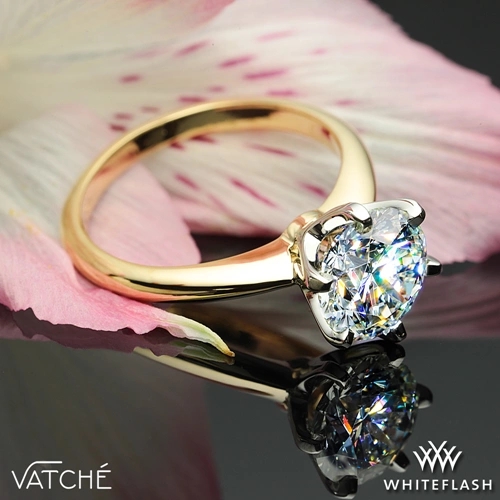
Houstan, Texas – September 19, 2026 – A karat stamp, also known as a purity stamp, is one of the most familiar marks inside a piece of gold jewelry. The number identifies the proportion of gold in the alloy. It does not, by itself, determine how the piece will look, feel, wear, or perform over time.
Whiteflash is drawing attention to that distinction as shoppers compare gold engagement rings, wedding bands, and fine jewelry. A higher karat number means a greater percentage of gold, but the most suitable choice also depends on the alloy recipe, the construction of the piece, the desired color, and the way the jewelry will be worn.
Karat Describes Gold Content
Gold purity is measured in 24 parts. A 10K alloy contains 10 parts gold, or approximately 41.7 percent. The figure rises to approximately 58.3 percent in 14K gold and 75 percent in 18K gold. The remaining portion consists of other metals selected to give the alloy its color and working properties.
This is also where two similar-sounding jewelry terms differ. Karat refers to gold purity, while carat refers to gemstone weight. Understanding the differences among 10K, 14K, 18K, and 24K gold gives shoppers a useful starting point, but the karat figure is only one aspect of the finished piece.
Pure gold is too soft for most jewelry applications. Combining it with metals such as copper, silver, zinc, nickel, or palladium changes more than its purity. The secondary metals can influence color, hardness, workability, density, and the way the surface responds to wear.
Higher Purity Is Not a Complete Durability Measure
Lower-karat gold leaves more room for adding metals that may increase hardness over a higher-karat alternative. Hardness, however, is not the same as overall durability. Resistance to scratching, strength under stress, ductility, design, and craftsmanship all contribute to how a piece performs.
Those distinctions matter because the components of a ring do separate jobs. A broad shank, a fine pavé section, and the prongs holding a center diamond do not experience wear in the same way. The better question is whether the selected metal suits the design and intended use, not which karat ranks highest on a single property.
“Karat is a material composition statement, not a full assessment of quality or durability. The right choice depends on the specific alloy, the design, the desired color, and the way the finished piece will be worn,” said Bryan Boyne, VP at Whiteflash.
Alloy Composition Changes Color and Care
The visual difference is clearest in yellow gold. An 18K yellow alloy generally has a richer, more saturated gold color than 14K or 10K yellow gold because gold makes up more of the mixture. The final tone can still vary with the metals and proportions used in the alloy.
White and rose gold illustrate the influence of those secondary metals. White gold combines gold with white metals such as nickel, silver, or palladium and is generally finished with rhodium plating. Rose gold derives its color from copper in the alloy. A closer look at common jewelry alloys helps explain why pieces with the same karat stamp may differ in tone and performance.
Alloy composition also matters for shoppers with known metal sensitivities. A karat mark does not disclose the complete recipe, so the specific alloy should be confirmed by anyone with an allergy to a specific material.Design and Daily Wear Complete the Decision
The choice becomes more practical when it is considered alongside the jewelry itself. Whiteflash offers engagement ring settings in multiple metals and colors, allowing shoppers to evaluate karat, setting architecture, and center-diamond presentation as parts of the overall design decision.
For many shoppers, the comparison comes down to 14K and 18K gold. Four questions bring that choice into focus: which color is preferred, how the piece is constructed, how often and under what conditions it will be worn, and what maintenance the selected alloy may require. The comparison between 14K and 18K gold is most useful when evaluated through those practical considerations.
Karat remains an important specification, especially when the price of gold is peaking, but it is not a quality verdict. Considered in context, it helps shoppers choose a metal that supports the appearance, construction, and expected wear of the finished piece.
About Whiteflash
Whiteflash is a modern jeweler specializing in precision cut diamonds, designer engagement rings, and fine diamond jewelry. As the exclusive home of A CUT ABOVE® Super Ideal natural diamonds, Whiteflash is internationally recognized for scientific light-performance analysis, including ASET, Ideal-Scope, and Hearts & Arrows imaging. Based in Houston, Texas, Whiteflash serves a global clientele and is an authorized retailer for the finest brand name designers including Tacori, Verragio, Simon G., A. Jaffe, and Vatche. Whiteflash offers the Lifetime Upgrade Program on all A CUT ABOVE® diamonds.
Media Contact
Company Name: Whiteflash Inc.
Contact Person: Tiffany Moore
Email: Send Email
Phone: 8322526770
Address:2150 Town Square Place Suite 330
City: Sugar Land
State: TX
Country: United States
Website: Whiteflash.com


