
Veg.ac Expands Global Plant-Based Education Through a Multilingual Platform Reaching Communities in Dozens of Languages

London, United Kingdom – September 21, 2026 – Veg.ac is expanding its multilingual digital platform to make accessible information about plant-based living, animals, food systems, environmental sustainability, health, ethics, and compassionate living available to people around the world.
Available at https://veg.ac/, Veg.ac has been developed around a simple principle: access to information about food, animals, and the planet should not depend on whether someone speaks English or another widely published language.
The platform combines educational articles, practical guides, recipes, animal information, environmental resources, nutrition information, cultural perspectives, and evidence-based material, while making these resources available through a growing collection of language editions.

A Global Platform for Plant-Based Living
Veg.ac explores the connections between animals, the planet, health, food, and justice, providing visitors with resources to understand different aspects of plant-based living.
The platform goes beyond recipes and dietary suggestions. Its content examines animal agriculture, animal welfare, factory farming, environmental impacts, nutrition, food traditions, ethics, sustainability, and practical ways of incorporating more plant-based foods into everyday life.
The project also emphasizes the importance of making information understandable and culturally relevant to different communities.
33 Language Editions Connecting Communities Worldwide
One of the defining characteristics of Veg.ac is its multilingual approach.
The platform currently provides dedicated homepages for the following 33 languages:
English: https://veg.ac/en
Kiswahili: https://veg.ac/sw
Yorùbá: https://veg.ac/yo
Amharic: https://veg.ac/am
Hausa: https://veg.ac/ha
Bengali: https://veg.ac/bn
Tamil: https://veg.ac/ta
Vietnamese: https://veg.ac/vi
Tagalog: https://veg.ac/tl
Urdu: https://veg.ac/ur
Haitian Creole: https://veg.ac/ht
Ukrainian: https://veg.ac/uk
Albanian: https://veg.ac/sq
Persian: https://veg.ac/fa
Arabic: https://veg.ac/ar
Mandarin Chinese: https://veg.ac/zh
Hindi: https://veg.ac/hi
Indonesian: https://veg.ac/id
Turkish: https://veg.ac/tr
Russian: https://veg.ac/ru
Quechua: https://veg.ac/qu
Nahuatl: https://veg.ac/nah
Guarani: https://veg.ac/gn
Georgian: https://veg.ac/ka
Kazakh: https://veg.ac/kk
Spanish: https://veg.ac/es
Portuguese: https://veg.ac/pt
French: https://veg.ac/fr
German: https://veg.ac/de
Italian: https://veg.ac/it
Polish: https://veg.ac/pl
Japanese: https://veg.ac/ja
Korean: https://veg.ac/ko
The range includes major international languages as well as regional and historically underrepresented languages, reflecting Veg.ac’s emphasis on reducing language barriers around plant-based and animal-related information.
Why Language Matters
Much of the world’s online information about veganism, animal rights, nutrition, sustainability, and plant-based food has historically been concentrated in a relatively small number of languages.
Veg.ac places multilingual access at the center of its approach.
Information about plant-based living can be more meaningful when it is presented in a person’s own language and connected to familiar foods, traditions, cultural practices, and local circumstances.
This is particularly important when discussing food.
Plant-based eating does not belong to one particular country or culinary tradition. Traditional plant-based and plant-rich foods can be found throughout Africa, Asia, Europe, the Middle East, Latin America, and many other regions.
Veg.ac seeks to highlight this diversity rather than presenting plant-based living as a single standardized cuisine.
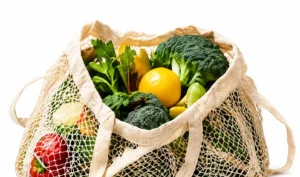
Animals, Sentience and Animal Agriculture
Animals are one of the central subjects explored throughout Veg.ac.
The platform provides educational resources about different animals, their behaviour, their needs, and their relationships with humans.
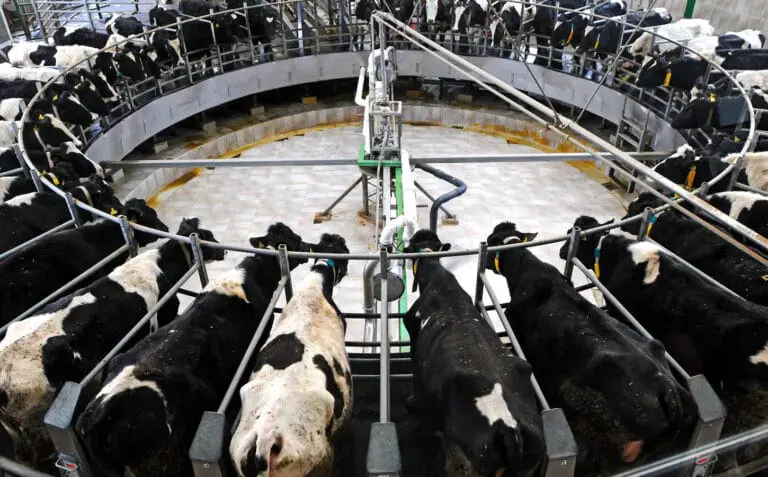
It also examines farmed animals and the systems used to raise animals for food.
By presenting information about animal agriculture alongside information about animal behaviour and sentience, Veg.ac provides readers with an opportunity to consider the relationship between human food systems and the lives of animals.
This approach encourages visitors to explore questions about animal welfare, ethics, agricultural practices, and the capacity of animals to experience their surroundings.
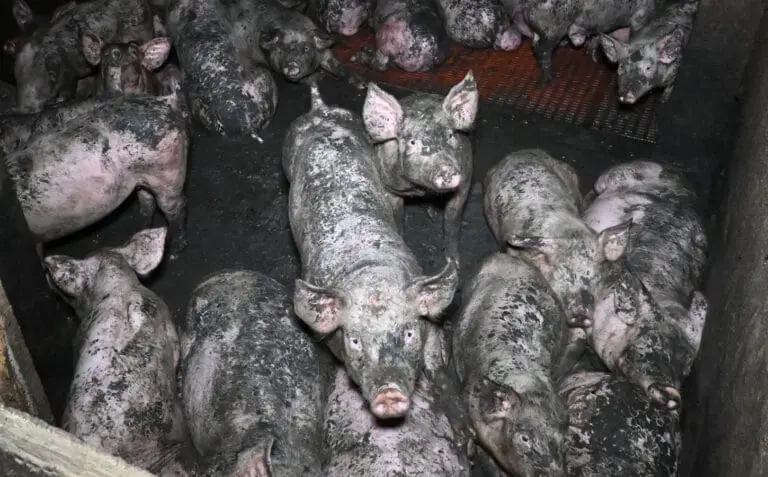
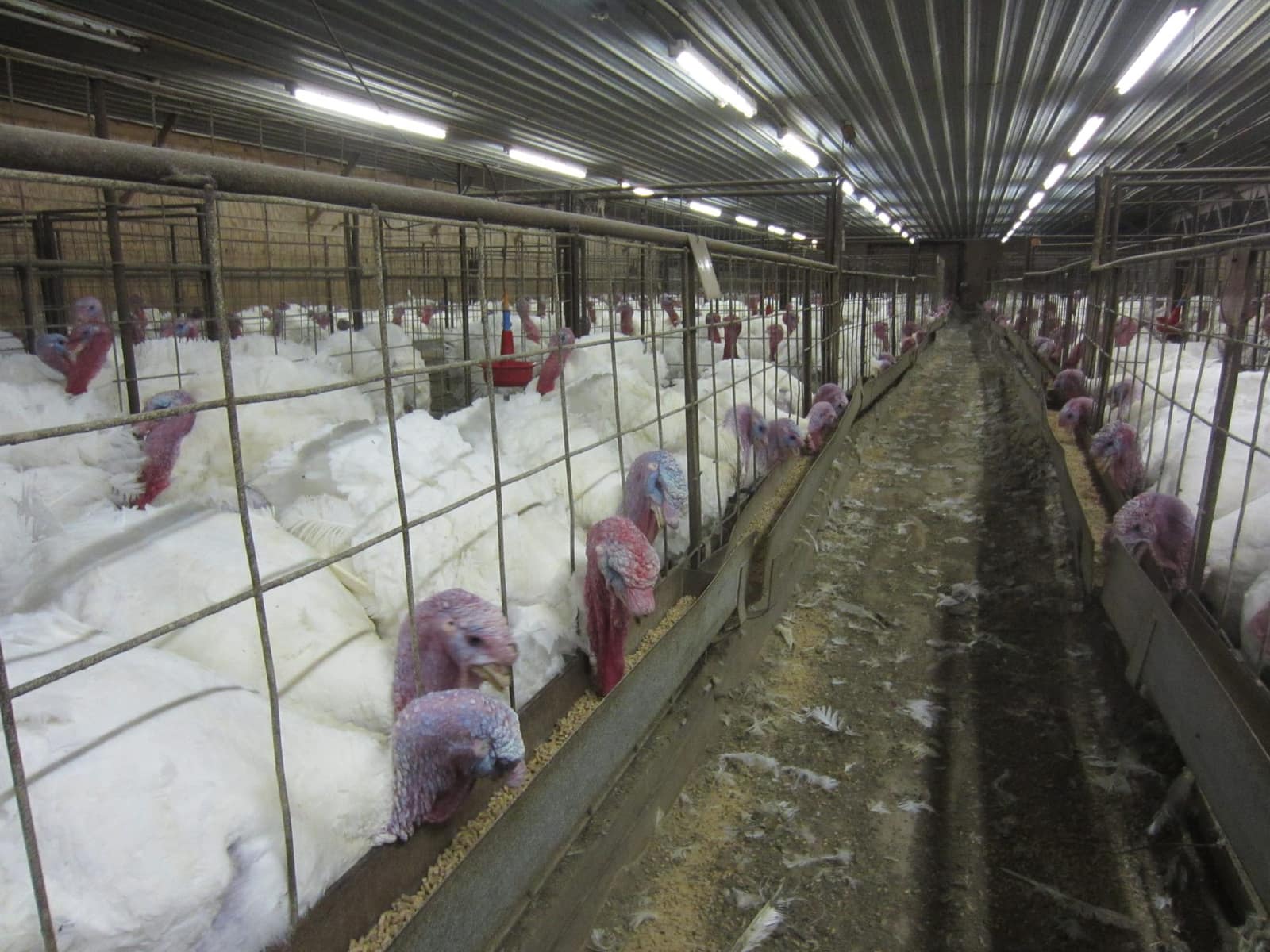
Understanding Factory Farming
Industrial animal agriculture is another important subject within the Veg.ac knowledge ecosystem.
Factory farming involves large-scale systems for producing meat, dairy, eggs, and other animal products.
Understanding these systems requires consideration of farming practices, animal housing, breeding, transportation, slaughter, environmental impacts, resource use, and economic structures.
Veg.ac provides educational resources designed to help readers investigate these subjects and understand how modern food systems operate.
The platform’s approach connects information about farmed animals with broader discussions about food production, environmental sustainability, and ethics.

Plant-Based Food and Nutrition
Veg.ac also provides practical information about plant-based nutrition.
The platform explores foods such as legumes, grains, vegetables, fruits, nuts, seeds, and other plant-based ingredients while discussing the nutritional role they can play within a balanced diet.
Plant-based nutrition is presented as a subject that can be explored through evidence and practical food choices rather than simply through slogans.
Visitors can learn about different foods, nutrients, meal ideas, recipes, and ways to incorporate more plant-based ingredients into familiar meals.
Connecting Plant-Based Living With Traditional Cuisine
A key part of Veg.ac’s approach is demonstrating that plant-based eating does not require people to abandon their culinary heritage.
Across the world, traditional cuisines contain countless dishes centered around plants.
Beans, lentils, chickpeas, rice, potatoes, maize, vegetables, fruits, herbs, spices, grains, nuts, and seeds have long been important ingredients in regional cuisines.
Many familiar dishes can therefore be adapted or prepared using entirely plant-based ingredients while retaining elements of the original culinary tradition.
This cultural approach can make plant-based food more accessible and relevant to different communities.
Practical Resources for Everyday Change
Veg.ac is not limited to theoretical discussions.
The platform also provides practical resources for people who are interested in exploring plant-based living.
Its starter resources are designed to help people take manageable steps, from identifying plant-based foods already available at home to preparing familiar dishes, planning shopping, and navigating restaurants.
The objective is to make the transition toward more plant-based habits understandable and practical rather than overwhelming.
Helping People Navigate Restaurants While Travelling
Eating away from home can present challenges for people following a vegan diet, particularly when travelling internationally.
Veg.ac provides a multilingual vegan restaurant phrase card that can help users communicate dietary requirements in different languages.
The resource includes phrases for explaining that someone is vegan and asking whether food contains ingredients such as meat, fish, eggs, dairy, honey, butter, animal stock, or fish sauce.
This type of practical resource demonstrates how multilingualism can extend beyond articles and educational material into everyday situations.
Environmental Dimensions of Food
Food production has significant relationships with land, water, biodiversity, greenhouse-gas emissions, forests, and other environmental systems.
Veg.ac explores these connections as part of its broader discussion of plant-based living.
Rather than treating food choices as an isolated personal matter, the platform provides information about how different agricultural systems interact with natural resources and ecosystems.
Visitors can explore subjects such as land use, water use, biodiversity, deforestation, climate impacts, and the environmental dimensions of animal agriculture.
Evidence and Research
Veg.ac emphasizes evidence-based information across its educational resources.
The platform provides references and research material intended to allow readers to investigate claims and explore the evidence behind subjects such as nutrition, environmental impacts, animal welfare, and food systems.
This is particularly relevant in areas where online discussions can contain conflicting claims.
By providing educational material alongside research and sources, Veg.ac aims to encourage readers to develop their own understanding and explore the evidence surrounding important questions.
A Growing Multilingual Knowledge Library
The Veg.ac knowledge library covers a broad collection of topics related to plant-based living.
Subjects include animals, animal rights, factory farming, environmental issues, plant-based nutrition, food, culture, history, science, ethics, and sustainability.
The platform also includes a magazine featuring longer-form articles that explore current and timeless questions surrounding food, animals, the environment, health, and ethics.
This combination of reference material and practical content allows visitors to approach plant-based living from different perspectives.
Volunteer-Run and Open to Global Participation
Veg.ac describes itself as a volunteer-run, non-profit resource and states that it operates without advertising or a paywall.
Its multilingual development depends on contributions from people who can help with translation, editing, photography, culinary content, research, and regional knowledge.
This community-oriented model is particularly important for a platform seeking to provide meaningful resources across dozens of languages.
Local contributors can help ensure that content is not simply translated word-for-word but can be made more relevant to particular linguistic and cultural contexts.
Creating a More Inclusive Digital Resource
The expansion of Veg.ac’s language editions represents an effort to make plant-based information more globally accessible.
A person searching for information about plant-based nutrition, animal rights, food systems, or environmental sustainability should not necessarily have to rely on English-language resources.
By developing dedicated language editions, Veg.ac seeks to make its educational material available to a much broader audience.
From Kiswahili and Hausa to Persian, Arabic, Hindi, Bengali, Quechua, Nahuatl, Guarani, Japanese, Korean, Spanish, French, German, Italian, and many others, the platform brings together communities with different languages, cuisines, histories, and cultural perspectives.
Looking Toward a More Connected Global Conversation
Questions about food, animals, health, sustainability, and ethics increasingly cross national and cultural boundaries.
The way societies produce food affects ecosystems, animals, communities, economies, and human health.
Veg.ac seeks to contribute to this global conversation by providing accessible information that can be explored in many different languages.
Its multilingual structure creates the possibility for people from different parts of the world to explore similar questions while approaching them through their own linguistic and cultural contexts.
About Veg.ac
Veg.ac is a multilingual, volunteer-run digital platform focused on plant-based living, animals, the planet, health, ethics, food culture, sustainability, and the environmental and social dimensions of animal agriculture.
The platform provides educational articles, research-based resources, recipes, practical guides, animal information, environmental resources, nutrition material, multilingual tools, and a growing knowledge library and magazine.
Media Contact
Company Name: Veg.ac
Contact Person: Media Relations
Email: Send Email
Country: United Kingdom
Website: https://veg.ac/


